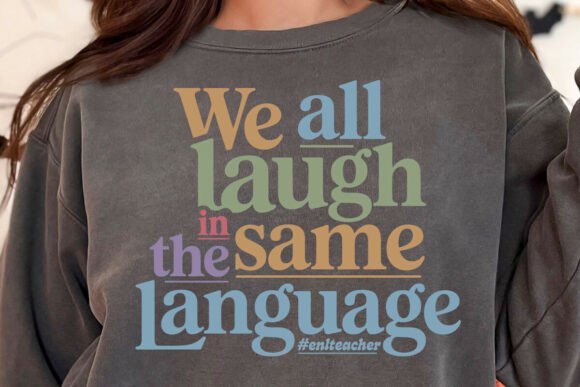
We All Laugh in the Same Language Graphics
As a graphic designer with years of experience working on branding, marketing visuals, and printable design assets, I often encounter digital products that promise a lot but deliver little. We All Laugh in the Same Language Svg is one such asset that caught my attention for its potential in creative projects. This SVG and PNG design offers a unique visual concept that could work well in a variety of contexts—especially for small businesses, handmade brands, or educational initiatives.
First Impressions: A Universal Message with a Creative Twist
The first thing that stands out about We All Laugh in the Same Language Svg is its universal message. The design features a stylized illustration that conveys the idea of shared humor across cultures. It’s simple yet effective, making it ideal for projects that aim to communicate inclusivity, connection, or cultural exchange.
The visual style leans toward a modern, hand-drawn aesthetic. It’s not overly complex, which makes it versatile for different design applications. The use of clean lines and subtle shading gives it a professional yet approachable feel. This makes it a strong candidate for brand identity, social media graphics, or even print-on-demand products.
Real-World Applications: Where It Shines
When considering real-world use, We All Laugh in the Same Language Svg can be a valuable addition to several types of design projects. For example, in logo design, it could serve as a supporting element that reinforces a brand’s message of unity or global reach. In packaging design, it might appear as a decorative accent on product boxes or labels, adding a touch of personality without overwhelming the overall look.
This design also works well in marketing visuals and editorial design. It could be used in blog posts, magazine layouts, or social media content to emphasize themes of communication, learning, or community. Its versatility extends to t-shirt design, sticker design, and Canva templates, where it can act as a focal point or background element.
For small business branding, especially in the handmade or boutique space, this design could help create a cohesive visual language that resonates with customers. It’s particularly suited for English New Language (ENL) teachers or educators looking for creative tools to enhance their classroom materials or digital resources.
Best Fit: Large Layouts, Themed Campaigns, and Print-On-Demand Projects
We All Laugh in the Same Language Svg performs best in large layout areas, such as hero graphics, posters, or website banners. Its size and simplicity allow it to stand out without requiring too much visual weight. It also works well in themed collections or seasonal campaigns where a consistent visual motif is needed.
In print-on-demand and commercial design, this asset can be used for product mockups, sublimation designs, or printable wall art. Its SVG format ensures scalability, while the PNG version provides flexibility for use in digital platforms. For Cricut users, it could be an excellent choice for sticker design or custom t-shirt graphics.
Where to Use With Caution: Minimalist Branding and Corporate Materials
While We All Laugh in the Same Language Svg has many strengths, it may not be the best fit for every project. In minimalist branding or corporate design, where clean lines and high contrast are essential, this design could feel too busy or informal. Similarly, in low-contrast environments or crowded layouts, it might lose its impact.
For projects that require strict visual hierarchy or a very professional tone, this asset may need careful integration. It’s important to test it in black and white, check contrast on different backgrounds, and preview it at various sizes to ensure it meets the project’s needs.
Designer Notes: What to Check Before Using Commercially
Before using We All Laugh in the Same Language Svg for a client project, there are several practical considerations to keep in mind. First, verify the commercial license to ensure it covers the intended use, whether it’s for an Etsy product, print-on-demand, or a branded campaign.
Test the file formats—SVG for vector editing and PNG for transparency or flat design. If the design includes text, compare it with different font styles to see how it integrates with your existing typography. Also, review how it looks on real mockups and in print to ensure quality and consistency.
Consider how it fits into the overall visual hierarchy of a project. Does it support the brand’s message? Does it add value without distracting from the main content? These are key questions to ask when evaluating any graphic design asset.
Why It Matters: Emotional Appeal and Audience Engagement
One of the most compelling aspects of We All Laugh in the Same Language Svg is its emotional appeal. Humor and shared experiences are powerful tools for audience engagement, and this design taps into that naturally. It can help build a sense of connection between a brand and its customers, which is especially valuable in creative marketplaces or educational settings.
For small business branding, this design can enhance the visual storytelling of a product or service. It adds a layer of personality that can differentiate a brand from competitors. Whether used in social media graphics, web design, or packaging, it contributes to a more engaging and memorable user experience.
Final Thoughts: A Useful Addition to Your Design Toolkit
We All Laugh in the Same Language Svg is a solid graphic design asset that can enhance a wide range of projects. Its universal theme, clean style, and adaptability make it a great choice for designers working on handmade businesses, educational materials, or creative marketplace products. However, like any design element, it requires thoughtful application to ensure it aligns with the project’s goals and audience.
For designers looking to expand their creative design options, this asset is worth exploring. Whether you’re working on a brand identity, a print-on-demand product, or a digital ad, We All Laugh in the Same Language Svg offers a fresh and meaningful visual element that can elevate your work. Just remember to test it thoroughly and consider how it fits within the broader context of your design strategy.